“Oceans” is a beautiful song by the group Hillsong, and we have heard different versions of it and in different languages. But today we share something totally different with you, and it is this beautiful song with a strange musical instrument called the Handpan.
The song “Oceans (Where Feet May Fail)” has become one of the most iconic worship songs of the last decade. Its message of faith, trust, and complete dependence on God has touched millions of people around the world. Because of this, many musicians and worshipers have dared to reinterpret it using different musical styles and instruments, always seeking to preserve its deep spiritual essence.
Throughout the years, we have listened to “Oceans” performed with piano, acoustic guitar, full worship bands, orchestral arrangements, and even minimalist versions. Each interpretation brings a different emotional atmosphere, but the heart of the song remains the same: stepping out in faith and trusting God even when circumstances seem uncertain.
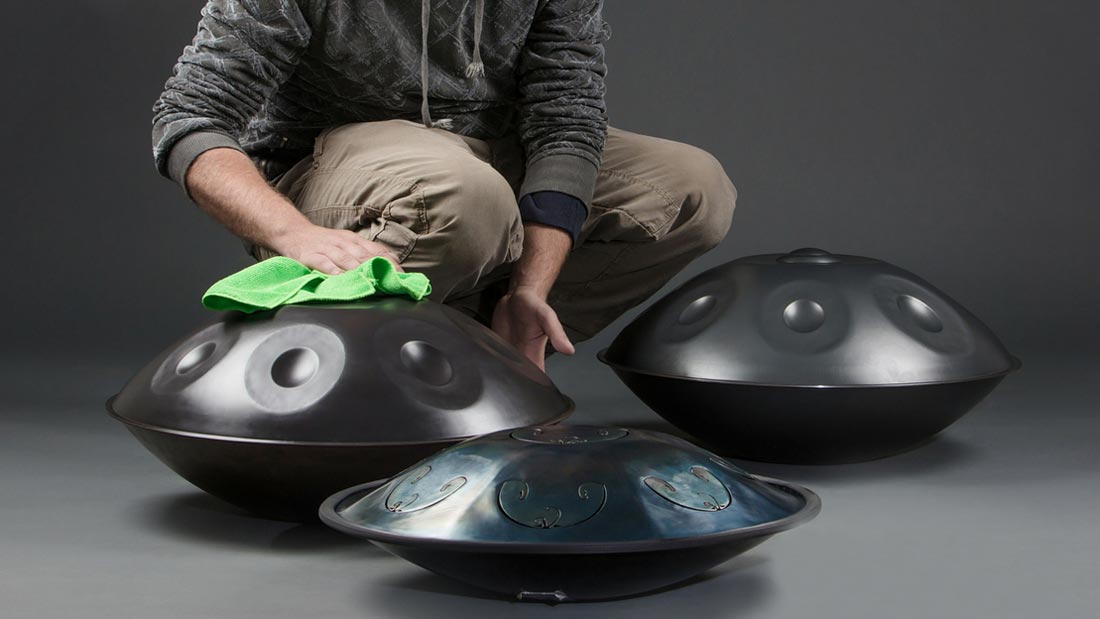
The cover was uploaded by Chris Duckett on his YouTube channel. In the video they are singing the song oceans accompanied by their peculiar Handpan instrument, and you will wonder: What is that instrument that looks like a pot lid?
This version immediately captures attention because of its simplicity and uniqueness. Instead of overwhelming the listener with many sounds, the Handpan creates a calm, meditative, and almost heavenly atmosphere. The gentle tones of the instrument blend perfectly with the message of the song, inviting the listener into a moment of reflection and worship.
The Spiritual Resonance of “Oceans”
To understand why this version of “Oceans” is so impactful, we must reflect on the spiritual journey the lyrics propose. The song is not merely a melody; it is a theological declaration of surrender. When we speak of “walking upon the waters,” we are referencing the biblical narrative of Peter stepping out of the boat. It is an act that defies human logic and relies entirely on Divine sustenance. This specific cover with the Handpan enhances that feeling of walking on water because the sound itself feels fluid and ethereal, as if each note were a ripple on a calm lake. The choice of this instrument isn’t just aesthetic; it is a conscious decision to mirror the tranquility of trust in the midst of life’s vast oceans.
Why Minimalist Worship Connects Deeply
In an era of loud, high-production worship concerts, there is a growing hunger for organic sounds. Minimalism in worship, such as this Handpan version, strips away the distractions of synthesizers and heavy percussion to leave the soul alone with the Word. This “unplugged” approach allows the listener to breathe. The sonic space created by the Handpan allows the lyrics—”Your grace abounds in deepest waters”—to take center stage. When there is less noise, there is more room for the Holy Spirit to whisper to the heart. This is why many people find themselves moved to tears by this version; it removes the “performance” element and replaces it with a pure altar of praise.
Handpan
This is a Swiss instrument created by the PANArt company and its use has been seen since the year 2000. This instrument consists of two metal shells joined together. The sonorous zone of the center is called Ding and it is the one that gives the central note. It is surrounded by a circle of at least 7 sound zones and that is where the other notes are. In the lower shell there is a central hole called Gu. There are other manufacturers of this instrument and each one has its own materials, manufacturing process, shape of sound zones and tuning methods.
One of the most interesting characteristics of the Handpan is the way it is played. Unlike traditional percussion instruments, it is played with the hands, fingers, and palms, allowing the musician to create both rhythmic and melodic sounds at the same time. This gives the instrument a very organic and expressive quality, which is why it is often associated with relaxation, meditation, and spiritual music.
The Engineering and Artistry of the Handpan
The creation of a Handpan is a labor-intensive process that combines metallurgy and musical intuition. Each instrument is hammered by hand to create specific tension points that produce distinct notes. This process of “tuning through pressure” is a beautiful metaphor for the Christian life. Just as the metal must be struck and heated to produce a beautiful sound, our characters are often refined through the “heat” of trials. When the Handpan is played in a worship context, it represents the sanctified work of human hands offering something unique to the Creator. The harmonics produced are complex; a single strike can trigger several overtones, creating a “shimmering” effect that many describe as celestial music.
Comparison with Traditional Percussion
Unlike a standard drum that focuses on rhythm, the Handpan is a tonal instrument. It bridges the gap between a piano and a drum set. In the “Oceans” cover, this duality is crucial. The player provides a steady pulse—representing the constant faithfulness of God—while simultaneously providing the melody that carries the emotion of the song. This versatility is why the Handpan has moved from the streets of Europe to worship platforms worldwide. It provides a full soundscape that usually requires multiple musicians, yet it remains intimate enough for a private prayer closet.
Integrating the Handpan into the Church
In worship music, the Handpan has found a special place because of its ability to create an atmosphere of peace and reverence. Its soft and resonant tones help listeners focus, pray, and connect emotionally with the lyrics being sung. When combined with a song like “Oceans,” the result is a powerful worship experience that feels intimate and deeply moving.
The modern church is constantly looking for ways to engage the senses in worship. Visual arts, lighting, and diverse instrumentation all play a role in creating an environment conducive to spiritual encounter. The Handpan contributes to this by offering a frequency that is naturally soothing to the human nervous system. In a world of high anxiety, bringing an instrument that promotes stillness and meditation into the sanctuary is a pastoral act. It helps the congregation transition from the “noise” of the workweek into the “quietness” of God’s presence. When used during communion or personal reflection, the Handpan’s resonance lingers in the air, reminding us that God’s Word does not return void but echoes in our lives.
The Global Impact of Digital Worship Media
The viral nature of Chris Duckett’s video proves that anointed creativity knows no boundaries. Through digital platforms, a unique expression of worship recorded in one part of the world can ignite a fire of devotion in another. This “Oceans” cover has reached people who might never step into a traditional church building but are drawn to the transcendent beauty of the sound. It serves as a digital “outer court,” welcoming the curious and the weary to experience a moment of peace. This is the power of modern media when used for the Kingdom: it takes the “strange” and “peculiar” and uses it to point toward the Universal Truth of Christ.
A New Perspective on a Classic Worship Song
Although the Handpan may still seem like a rare or unfamiliar instrument to many people, its popularity continues to grow. More musicians are discovering its potential, and more listeners are appreciating its unique sound. Videos like this one help introduce the instrument to a wider audience and show how versatile it can be, even within Christian worship music.
When we listen to “Oceans” for the hundredth time, we might become desensitized to its message. However, hearing it through the vibrations of the Handpan forces our ears to hear it as if for the first time. The sustained notes mirror the “eternal” nature of God mentioned in the lyrics. Every strike on the metal surface reminds us that our faith must be solid and resonant. This version challenges us to think about how we can take the “old paths” of our faith and present them with fresh passion. It is a call to avoid “vain repetitions” and instead find new melodies to express our ancient love for the Savior.
Practical Advice for Musicians
If you are a musician inspired by this video, remember that the anointing is more important than the instrument. Whether you play a million-dollar organ or a handmade Handpan, the goal is the same: to lift up the name of Jesus. The Handpan community is one of sharing and discovery; similarly, the worship community should be a place where we encourage creative risks. Don’t be afraid to bring your “strange” instrument to the Lord. He is the author of all harmony and rhythm, and He delights in the diversity of His children’s expressions. The key is to master your craft so that the excellence of your playing matches the sincerity of your heart.
The Future of Instrumental Worship
As we look forward, we can expect to see more instruments like the Handpan, the cello, or even traditional ethnic instruments integrated into contemporary worship. This diversity reflects the Multi-generational and Multi-cultural nature of the Kingdom of Heaven. Instrumental music, specifically, has the power to bypass intellectual barriers and speak directly to the human spirit. In a divided world, the wordless beauty of a Handpan playing “Oceans” can unite believers from different backgrounds under one spirit of adoration.
We have already learned about this fabulous instrument, now we have to listen to the ocean song with the handpan. After listening to the song and watching the video, tell us in the comments if you have already seen this instrument on another occasion. Does the resonance change the way you feel the lyrics? We are always looking for new ways to exalt God, and your insights help our community grow in artistic worship.
Without a doubt, this version of “Oceans” reminds us that worship is not limited to specific instruments or styles. God can be glorified through creativity, simplicity, and new expressions that come from a sincere heart. Let the shimmering tones of the Handpan wash over you today, and may you find the courage to trust Him even when the waves rise high.
Final Thoughts on Worship and Creativity
In conclusion, the intersection of faith and art is a sacred space where the invisible becomes felt. The Handpan cover of “Oceans” is a perfect example of this divine synergy. It takes a song about the vastness of God and uses an instrument that sounds like the infinite heavens. As you go about your day, carry the peace of this melody with you. Remember that God is the Master Musician, and your life is the instrument He is tuning. May your actions be as harmonious as these notes, and may your trust in Him be as unshakeable as the steel from which this beautiful music is born. Let us continue to seek extraordinary ways to praise an Extraordinary God, always remembering that the most beautiful sound to His ears is the humble worship of a heart that truly loves Him.
The legacy of “Oceans” will continue to inspire for generations, but it is versions like this that ensure the message stays vibrant and relevant. Whether through the vibrancy of the Handpan or the simplicity of a whispered prayer, may you always find yourself in that place where faith is made sight and where the Spirit leads you where your trust is without borders.